
Choosing 3.5T or 7.5T Flatbed Hire Across northern England
A regional flatbed sizing guide for northern England, built around payload, access, loading method and the larger dedicated towns in the coverage set.
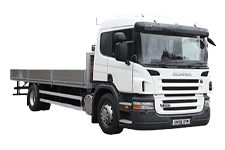
Use the load before the vehicle name
For northern England, describe the material first: pallets, timber, scaffold, steel, light plant, landscaping supplies or site tools.
The quote team can then check approximate weight, load length, loading side, lifting method and whether weather cover or a different body style is needed.
Where a 3.5 tonne flatbed fits
A 3.5 tonne flatbed is often the first option for smaller dropside work around Manchester, especially when streets, parking, loading bays or site entrances are restricted.
It can suit lighter merchant runs, compact landscaping orders, shorter timber lengths, fencing materials and tool movements where the payload remains comfortably within limits.
When 7.5 tonne hire deserves a call
Ask about 7.5 tonne flatbed hire when work links larger places such as Manchester, Leeds, Sheffield and Liverpool, or when multiple pallets, heavier machinery or longer steel sections are involved.
The call should include driver entitlement, route restrictions, standing space, loading equipment and whether the delivery point can safely receive the vehicle.
How local context changes the answer
northern England coverage includes areas such as Manchester, Leeds, Sheffield and Liverpool, so route planning can vary sharply between dense towns, coastal routes, industrial estates and rural approaches.
That is why every quote should include collection and delivery points, timing windows, site rules and a realistic loading plan instead of relying on a single advertised payload figure.
Before you call
Use this choosing 3.5t or 7.5t flatbed hire across northern england guide as a practical filter before you call. Write down the route, hire date, load size, approximate weight, loading method and delivery or collection address.
Those details matter more than a broad label such as flatbed truck hire, especially when the truck has to fit a specific site, driver and trade job.
Vehicle and route checks
If the job changes, compare the guide topic with the wider flatbed truck hire service. A small flatbed enquiry may need a 7.5 tonne dropside, long-bed flatbed, tail-lift vehicle or specialist loading option.
For delivery and collection, give the full address plus parking, loading bay, timed access, height, gate, forklift and site-traffic restrictions so availability can be checked against the real route.